Florida Senate comm. blocks bill giving undocumented children in-state tuition rates
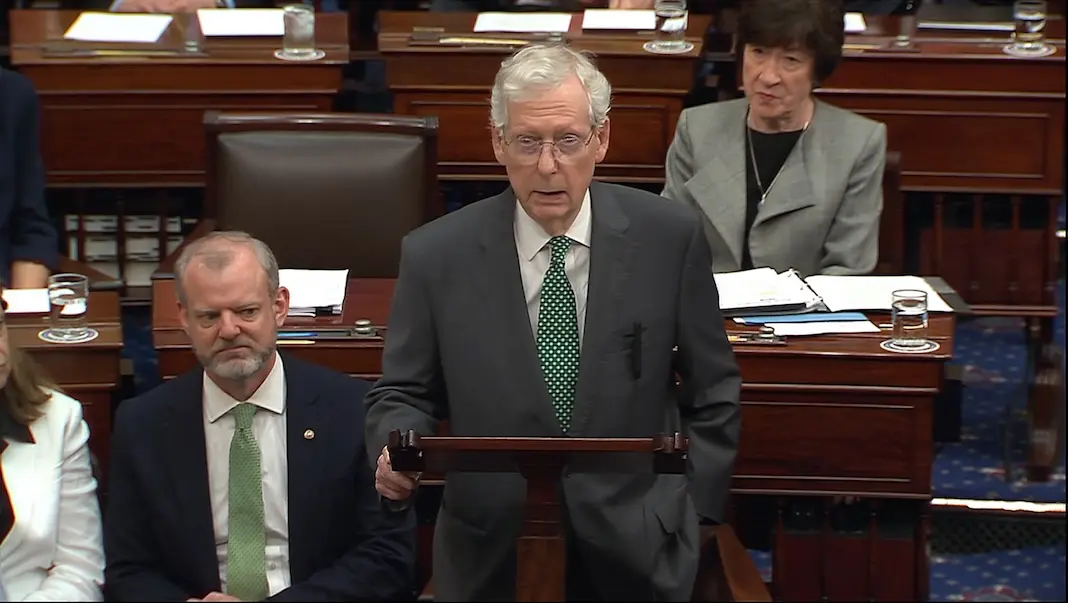
A Florida Senate higher education committee yesterday shot down a bill filed by state Sen. Rene Garcia, R-Hialeah, that would allow children of undocumented workers to qualify for in-state tuition rates at Florida colleges.
Under current law, if you are born in Florida and go to school here through high school, but your parents are undocumented immigrants, you do not qualify for in-state tuition to study at a public higher ed institution.
Garcia said during the Tuesday committee meeting that his measure “is an equity bill” that “would clarify an injustice” because “right now an American-born citizen cannot qualify for in-state tuition even if he or she meets the residency requirements of the state because of the residency status of their parents.”
The “Resident Status for Tuition Purposes,” also filed in the House by state Rep. Reggie Fullwood, D-Jacksonvile, would classify “as residents for tuition purposes a United States citizen who attends a Florida high school for at least 2 consecutive years and submits his or her high school transcript to and enrolls in an institution of higher education within 12 months after graduating from a Florida high school.”
The chairman of the committee, state Sen. Steve Oelrich, R-Gainesville, said that Garcia’s bill would change existing legislation and “make it easier for illegal immigrants to come to Florida and send their kids to school than for a person coming down from Tennessee.”
“We are going to make it tougher if you’re coming from the state of Georgia than if you’re coming from the state of Nicaragua,” Oelrich said, adding, “If we open it up to say that residency means that you’re born somewhere in America and go your last two years of college that we will effectively gut the delineation between in-state and out-of-state tuition.”
Garcia responded that while he did not agree with Olerich’s interpretation, he would accept amendments to his bill. “But this injustice must be addressed,” he argued.
State Sen. Thad Altman R-Melbourne, said “all we’re doing here is getting out of the business of determining citizenship,” while Sen. Gary Siplin, D-Orlando, pointed out that Florida has already invested in the education of these American-born students.
Dulce Beltran, a college registrar at Miami-Dade College, spoke in favor of the bill and pointed out that “we have students whose parents are incarcerated, who face tremendous uphill battles to prove residency, and the parents are U.S. residents, Florida residents.”
“These are students who have never stepped out of Florida,” Beltran said. “The parents are no where to be found” and “the student has no way to prove residency.”
State Sen. Joe Negron, R-Palm City said Garcia’s bill would “take the fact that the parents are undocumented and eliminate that as having any negative effect on the student’s ability to clear the residency, so we would be treating children of parents who are lawfully in the U.S. and have citizenship the same as children of non-residents.”
Altman offered an amendment to “fill” the “loophole” suggested by Oelrich and Negron.
“I’m trying to protect the individual who’s here and is a U.S. citizen and whose parents live here,”Altman added. The amendment failed.
Carla Montes, a Florida-born student who spoke in support of the bill, told the Senate committee she had to postpone her higher education plans for a year, and get a full-time job so she could pay out-of-state tuition.
Juan Escalante — a recent graduate from Florida State University who spoke in favor of Garcia’s bill — told the senators that two of his friends, born in Miami, who attended Florida schools from K through 12th grade but whose parents are undocumented immigrants had to move to Pennsylvania, where after a year they would qualify for in-state tuition “as U.S. citizens.”
The Southern Poverty Law Center filed a federal class action lawsuit in October “on behalf of several aspiring college students who are denied in-state college tuition rates in Florida because they cannot prove the lawful immigration status of their parents.”
Garcia concluded, saying that he “didn’t want this to turn into an immigration issue, an immigration debate,” but asked the committee to resolve this issue so that U.S.-born students who live in Florida “have the same rights and privileges that every senator up here has.”