Violence Against Women Act faces unprecedented opposition, little support from Texas lawmakers
The gridlock of Washington, D.C. has made even domestic violence a partisan issue. The Violence Against Women Act (VAWA) is but the latest chapter in a political battle for one of the most significant electoral constituencies. Republicans claim their opposition to the reauthorization is due to Democratic additions to the legislation, while Democrats have framed Republican opposition as a continuation of the “war on women.”
Originally passed under Title IX of the Violent Crime Control and Law Enforcement Act of 1994, VAWA for years enjoyed bipartisan support. The legislation was passed in the House on a vote of 235-195 with 46 Republicans voting in favor. In the Senate it passed 61-39 with support from seven Republicans. The law included funding to enhance investigation and prosecution of violent crimes perpetrated against women, imposed automatic and mandatory restitution on those convicted, and allowed civil redress in cases prosecutors chose not to pursue.
The subsequent reauthorizations of VAWA have received even greater bipartisan support. In 2000 the reauthorization passed the House 371-1, and the Senate voted for passage 95-0. The latest reauthorization took place in 2005. It was passed by the House 415-4, and passed in the Senate by unanimous consent. But like the debt ceiling, what was once considered routine has now become a point of contention between the parties.
Sen. Jeff Sessions, R-Alabama, told the New York Times that his opposition to the reauthorization was due to “matters put on that bill that almost seem to invite opposition.” Additionally Republicans claim that the bill uses opposition to domestic violence to expand protected groups to include undocumented immigrants and members of the GLBT community. Sen. Charles Grassley, R-Iowa, told the Times that it “creates so many new programs for underserved populations.”
Jess McIntosh, deputy communications director of EMILY’s List, told the Texas Independent that VAWA has never been a partisan issue before. “That it is today is a testament to how reflexively anti-woman the Republican Party has become,” said McIntosh. “Sadly, this is just the latest front in the GOP war on women. Democratic women in Congress are fighting back, and it’s absolutely critical that we send them more reinforcements in November.”
McIntosh took issue with Grassley’s comment. “Republicans are objecting to the Violence Against Women Act because it helps too many women? Forgive me if I think that’s a lousy argument,” said McIntosh. McIntosh also criticized Texas lawmakers for their opposition. “It’s about time Texas has senators who put women and families before partisan ideology. This is non-controversial legislation that every member of Congress should be able to support.”
One of the original advocates of the original VAWA was the Texas Council on Family Violence (TCFV). According to the TCFV website, the organization is “committed to ending sexual violence in Texas through education, prevention and advocacy.” In March the TCFV and the Texas Association Against Sexual Assault (TAASA) jointly called on Republican Texas Senators John Cornyn and Kay Bailey Hutchison and all members of Congress to reauthorize the Violence Against Women Act.
According to the statement, in 2011 Texas utilized $8.8 million in VAWA funding. “This federal leadership and funding fostered safety for the 11,833 adult victims and 14,578 children that sought shelter from domestic violence programs in fiscal year 2011,” read the statement. “Rape crisis centers used VAWA and other funding to serve victims by answering nearly 34,000 sexual assault hotline calls to Texas rape crisis centers and serving more than 15,000 sexual assault victims through support groups.”
Despite the calls for support, few Texas lawmakers have publicly supported the reauthorization of VAWA. Of the 51 sponsors of HR 4271 only two are from the Texas delegation: Democrats Rep. Rubén Hinojosa and Rep. Silvestre Reyes. There is no Republican sponsor of the House legislation. Neither Sen. John Cornyn nor Sen. Kay Bailey Hutchison, who is not running for reelection, are among the 60 sponsors of S 1925. Of the 60 sponsors, eight are Republicans.
Mitra Salasel, communications coordinator for the Texas chapter of Annie’s List, told the Texas Independent that the politicization of VAWA is “unfortunate” and a move that is indicative of a “larger trend of anti-women policies” playing out on the national level and also here in Texas. “It’s not surprising that the Texas delegation is not out in front on this,” said Salasel.
Salasel says that the lack of support from Texas lawmakers reflects the culture created by the political leadership in Texas. “The state is led by Gov. Rick Perry, who has pushed to have women undergo unnecessary procedures that are not about women’s health but about his political ideology. This battle has been playing out for months on the Texas level. Perry and everyone that follows his lead has made their primary agenda about cutting women’s access to health care.”
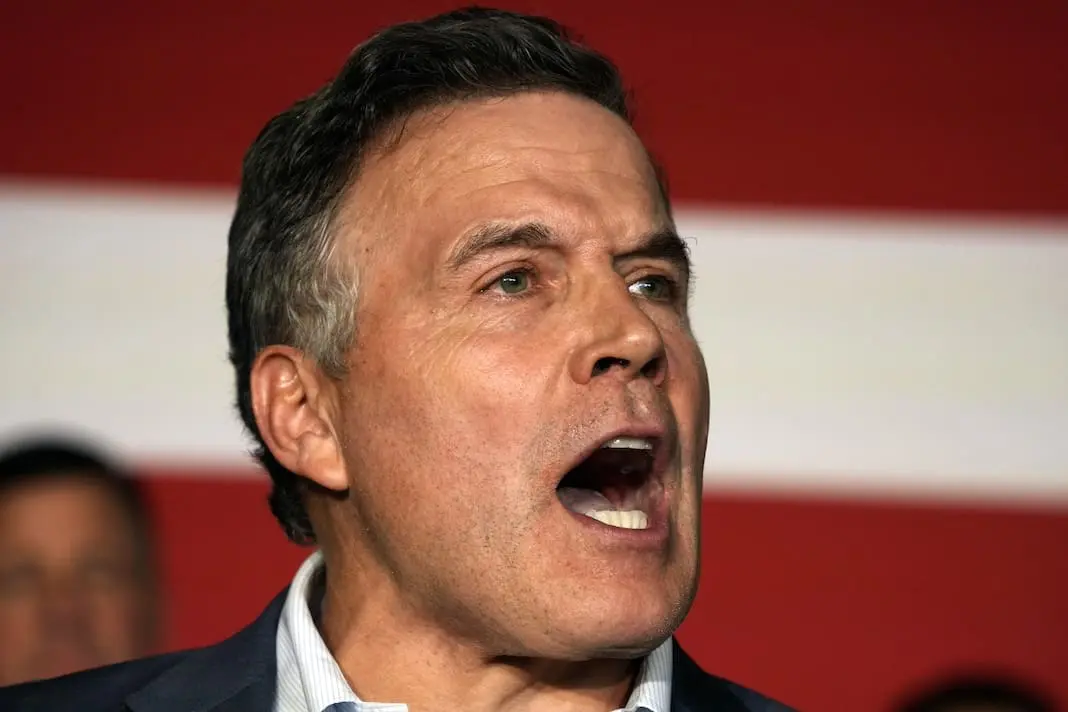
(Image of U.S. Sen. John Cornyn from WikimediaCommons/https://cornyn.senate)
Follow Teddy Wilson on Twitter